
It seems like every other day I’m reading about some woman who has fallen prey to a romance scam and is now in financial peril. And it befuddles me. I think of older women like myself as having gained a bit of wisdom in how the world works. Our BS-meter should be finely tuned. So how does this happen as often as it does?
As I thought about this I tried to put myself in the place of an older single woman (maybe widowed or divorced) or perhaps one in an unhappy marriage. What is she feeling? Perhaps there is loneliness and sadness. She longs for male attention and connection. She still longs for a great romance. She is vulnerable.
Let’s walk through the scenario of Olivia, a 64-year-old divorcee of five years.
Olivia gets contacted by a man on social media, a stranger around her age who is handsome and wants to get to know her. Olivia is curious and interested enough to make contact. Let’s call him Chad. They start chatting and getting to know each other. Photos and life stores are shared. It is a connection she needed. And the communications become more frequent and she looks forward to them. They make her day. Chad texts her cute memes. Has a pet name for her. Tells Olivia he’s never met a woman like her. She is his “beautiful soul mate.” He talks about their wonderful future life together. She feels loved, appreciated and needed.
But eventually he will text about some small financial crisis or emergency and he has no one else to turn to. Despite being a successful lawyer (or pilot, military officer, business owner ) with family members and friends, he needs her help. Her money.
Now at this point some women would realize something isn’t quite right and refuse. But many, like Olivia, will give the money believing that if she doesn’t, perhaps the relationship will end. Or she may truly believe his tale and earnestly desire to help. This is Chad after all. And Olivia doesn’t want all those lovely, daily affirmations she’s been receiving for months to evaporate. She doesn’t want to lose Chad.
Once the money starts flowing it may become even harder to end the “relationship,” even if Olivia starts feeling uncomfortable about the money. At this point there is sunk-cost fallacy. She’s invested so much into this man that stopping does not seem like an option. Dr. Perpetua Neo, an expert on toxic relationship dynamics writes, “The more you invest–your money, heart, future, time, energy–the more you need it to deliver.”
We all know how it ends. After the scammer extracts all the money he can from his victim he disappears.
According to Action Fraud, women represent approximately 63% of known romance fraud cases. In the U.S. the annual number of reported romance scams is around 59,000. The real number is higher as some folks are too embarrassed or ashamed to report it. It is also known that women typically undergo more financial loss. There have been tales of women remortgaging their homes, taking out loans or emptying retirement accounts.
Romance scammers are not going to stop because it’s a lucrative “business.” So how do we protect our hearts, lives and pocketbooks against this type of crime? The truth is we are all vulnerable at one time or another, but we can still be smart. When someone approaches you online expressing interest, before you get involved take these steps:
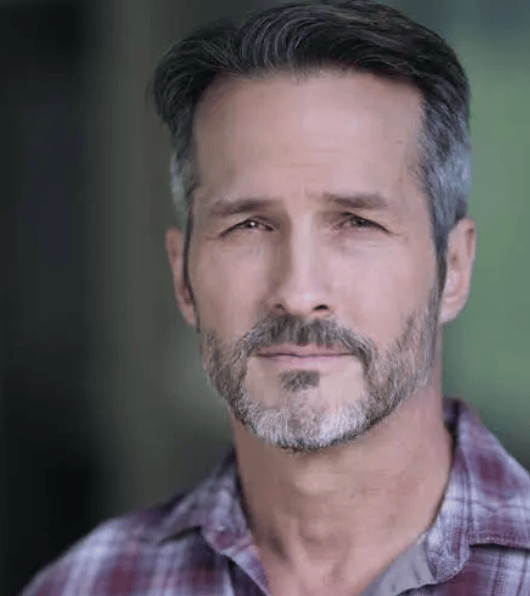
- Do a reverse image search. Scammers often steal photos belonging to real people. Poor Alan Pietruszewski, a former U.S. Navy commander turned actor, has had his photos used for years by scammers to lure victims. (Well, you can see why!)
- Type whatever details you have about him (name, phone number, job title, location) and the word “scam” into a search engine to see what turns up.
If he passes these two tests and you are still inclined to get to know him, read through “The Classic Scam Playbook.” As you begin the relationship note if he seems to be following this script, these actions. And never under any circumstances give him money. Follow Nancy Reagan’s advice, “Just say no!”
The Classic Scam Playbook
A great AI-compiled list to avoid getting romance scammed.
- Fake Profile: They use stolen photos (often of attractive models, military personnel, or professionals) and claim to live far away or travel constantly for work.
- Quick Fast-Tracking: They express deep affection and “love bomb” you with intense compliments and talk of marriage very early in the chat.
- Moving Off Platform: They quickly ask to leave the dating app (or social media platform) to chat on private encrypted messaging apps like WhatsApp, Telegram, or WeChat.
- Avoiding Face-to-Face: They constantly cancel plans to meet in person or video chat, making excuses about broken cameras, bad signals, or sudden travel. (Note that AI tools can “mimic voices or create fake video calls.”)
- The Manufactured Emergency: They create an urgent crisis—such as unexpected medical bills, plane tickets to visit you, customs fees, or legal troubles—and pressure you to wire money immediately.
- Secrecy: They often ask you to keep the relationship a secret from friends and family who might spot the warning signs.
In closing, the reality is only you can protect yourself online. Be cautious. Be cynical! That cute 60-year-old forest ranger working in Montana is likely a 23-year-old working in scam lab in Nigeria. Don’t fall for it. Bye, bye Chad.




Leave a comment