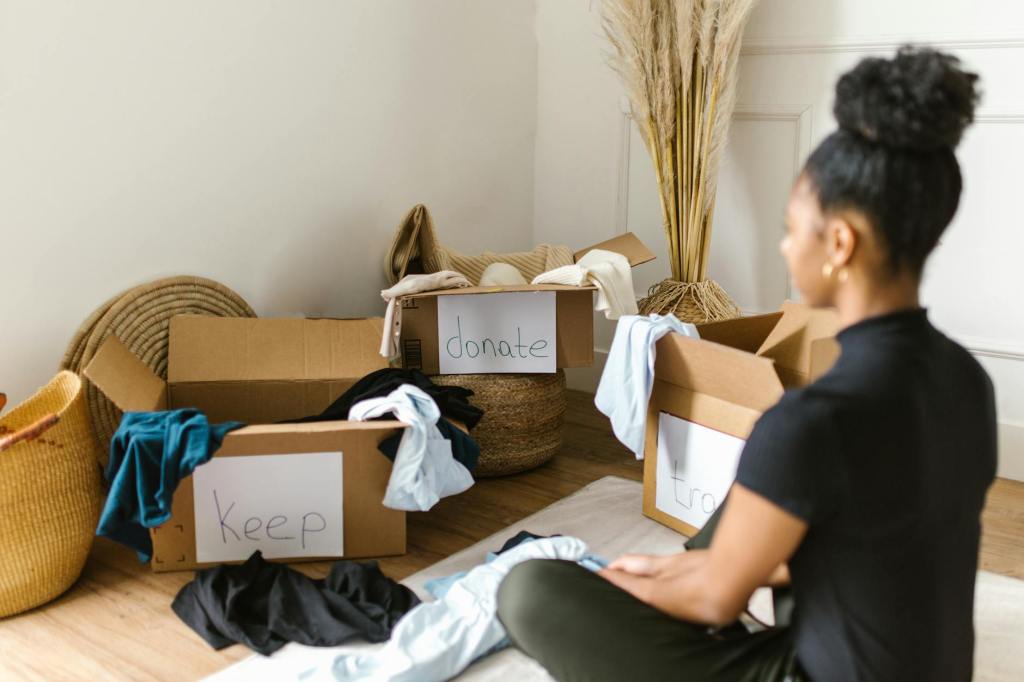
Most of my life I’ve been a collector, but I’ve also been good at letting things go. When I graduated from college and moved back home to start the job search, I decided to let go of a lot of childhood stuff. Some were presents from people I was no longer friends with and they meant nothing to me. Other things I had “outgrown.” And it felt good to let them go.
And for the last decade or so I’ve been actively downsizing collections and getting rid of things I’m no longer using/enjoying and that’s felt good too. Most recently I’ve been inspired by Margareta Magnusson’s book, “The Gentle Art of Swedish Death Cleaning.” She encourages decluttering and downsizing later in life as a way of making your own life more organized and pleasant while also benefiting those who will have to deal with your stuff when you die.
That resonated with me.
One of the SDC steps includes organizing your financial and life information in one place. And this, above everything else, is so important. When my brother died unexpectedly at age 61, he left no will and what financial papers he had were tucked here and there and everywhere. It was extremely stressful trying to gather them up in the few days we had at his apartment and never knowing if I had all of them. (Additionally I had no login/password information for any of his accounts.) This made closing his estate all the more difficult.
And let me tell you, all that stuff is a big burden on the survivors. That’s why you see so many huge piles of items at the curb on garbage day after someone has died.
When my Aunt Janet died at 73, also unexpectedly, she had a full house including things that defied reason. Why was she hanging onto those 1980s polyester bow blouses with an inch of dust on the shoulders? Why did she have over 40 silk flower arrangements? Was she really going to reread any of the 1000 romance novels stored in her basement family room? [In the end those 1000 novels that she had easily spent over $10,000 to purchase, sold to a book dealer for $50.]
Swedish death cleaning is not really much different that most other declutter/organization programs, other than perhaps its target age. It’s an entry level “get your affairs in order” type of thing that benefits you now and your survivors later.
Some things to consider. (I’ve started with the easiest and the rest are in no particular order.)
- Throw away/recycle stuff that is just garbage (old magazines, worn plastic containers, dried-up pens, broken items, stained cloth napkins, out-of-date spices, grungy towels, worn-out shoes, etc.)
- Get a will/trust if you don’t have one, especially if your have children, property and/or are keen to name specific beneficiaries.
- Store all important documents in one, safe place (will/trust, insurance docs, property info., health insurance info, social security numbers, account login details, etc.).
- Get rid of all excess household things (like that bundt pan you never use, those wood chopsticks from take-out orders and old cleaning products).
- Pare down furniture keeping the best.
- Pare down sentimental items. Once you start it gets easier!
- Get rid of all those knick knacks that you have no attachment to.
- Destroy private/sensitive items that you’d don’t want anyone to ever see (diaries, photos, letters, etc.)
- Get rid of all the clothes you don’t wear. Period!
- Pare down books, CDs, DVDs. (Do you even watch DVDs anymore?)
- Get rid of craft supplies and hobby materials you aren’t using.
- Clean up your digital stuff.
- Consider passing along some of your valuable items now. Perhaps jewelry pieces you no longer wear or antiques that other friends and family might enjoy.
When you’re in your 50s and even 60s you tend not to think about your own mortality much, but now is the perfect time to start the slow, gentle process of Swedish Death Cleaning.


 Today's Women of Age
Leave a comment