
If you’re like me you’ve rarely given much though to the health of your bones. Who does? Then I had my first Dexa bone scan. It revealed that my bones had less than optimal density. I wasn’t surprised given my age (and diminishing estrogen), lower activity level (still too many hours behind a computer), ethnicity (white and Asian women are more at risk) and my penchant for wine and coffee.
Calcium Supplements: Yes or No?
The recommendation given me by my docs was to take a Tums every day to add more calcium to my diet. I know this is a common treatment but wondered if there were any side effects to taking an antacid every day pretty much for the rest of my life. Sure enough there were plenty. Side effects ranged from mild (constipation, nausea, diarrhea) to the more serious kidney stones and colon polyps. There is even a link to heart disease from calcium buildup in the heart’s arteries and that’s just the tip of the iceberg. And these side effects appear to be true for most calcium supplements. (Please note I haven’t researched the differences between types of calcium.)
Benefit of a Calcium-Rich Diet
So for now I’ve decided it’s no calcium supplements for me. But as John Hopkins Medicine writes the best sources of calcium come from your diet for two main reasons: you are ingesting calcium in small amounts throughout the day (the body can only process 500 mg. of calcium at one time, 1200 mg is recommended daily for women over 50) and nutrients found in foods are more easily absorbed by the body.
Here’s a small selection of calcium-rich foods:
- almonds
- many types of leafy greens: kale, spinach, bok choy
- broccoli
- beans: soy, garbanzo, white and pinto
- dairy: cheese, yoghurt, cottage cheese,
- tofu
- oranges
- figs
- canned seafood (wild-caught salmon, sardines, tuna)
- canned tomatoes
So with more thought given to my diet, part of the my problem could be solved.
The Role of Vitamin D

Vitamin D is also key to bone health helping the body’s ability to absorb and retain calcium. Most foods contain only small amounts of vitamin D with the exception of oily fish (including salmon, mackerel, tuna and sardines) and fortified breakfast cereals.
But one of the easiest (and no cost) solutions is to spend at least 20 minutes a day in the sun. Of course that means with no sunscreen. Folks with darker skin tones (and therefore more melanin) may need to stay out longer. Good news redheads, you produce the most vitamin D naturally.
If you decide to take a daily vitamin D supplement (and most of us are a little deficient) there are very few side effects if you take just the recommended dose. Taking more can be harmful.
(Recommended vitamin D dose for women age 51 to 70 is 600 international units; for women over 70 it’s 800 international units.)
Exercise
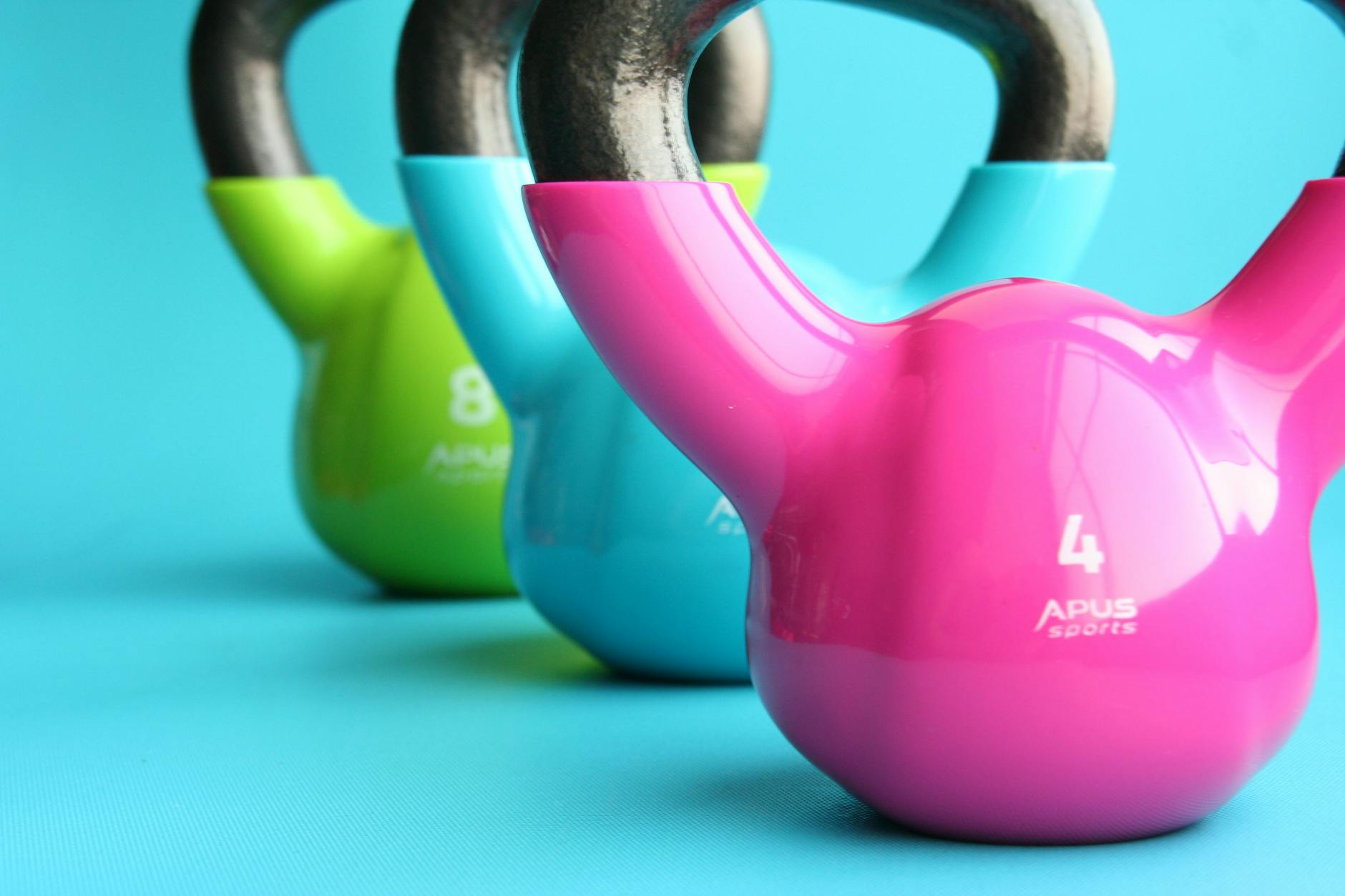
Let’s face it–exercise benefits so many functions in our body and that includes bone health. Any type of movement is beneficial, with weight-bearing and strength-training exercises being the best for bones, but walking, stair climbing, dancing, gardening, racket sports, etc. bring results too. The key is regularity. Note to self–just get moving!
Moving Forward
While it would be easier just to take a pill to “solve” the bone-density problem in reality it would be healthier to make some life-style changes. So that’s what I’m aiming for!
Disclaimer: This information is not intended to replace medical advice. Please seek the advice of a qualified medical professional.




 Today's Women of Age
Leave a comment